Begin typing to search, when autocomplete results are available use up and down arrows to review and enter to select. Selecting an options will take you to a new page. Touch device users, explore by touch.SEARCH
Search within a riding style, select an optionBegin typing to search, when autocomplete results are available use up and down arrows to review and enter to select. Selecting an options will take you to a new page. Touch device users, explore by touch.
Free shipping on orders over $79 to Illinois
Orders over $79.00 will receive free shipping. This is a residential delivery service, deliveries Monday through Friday from 9:00am to 8:00pm.
How do I choose brake pads for different terrains and weather?
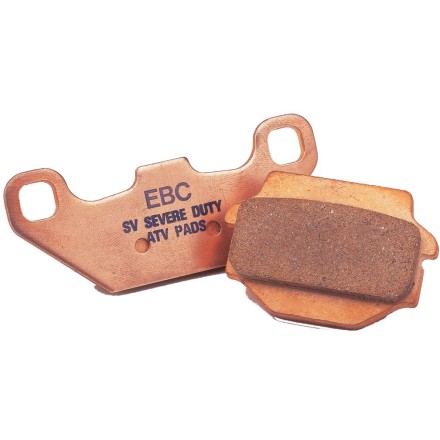
Select sintered pads for wet, muddy, or high-heat off‑road and adventure use; choose organic pads for quiet, dry street commuting; pick ceramic or semi‑sintered compounds for mixed touring where low noise and balanced heat resistance matter. Always match the compound to your riding conditions and confirm fitment by your exact make/model/year before installing.
Which rotor type is best for off‑road, dual‑sport, or street/track riding?
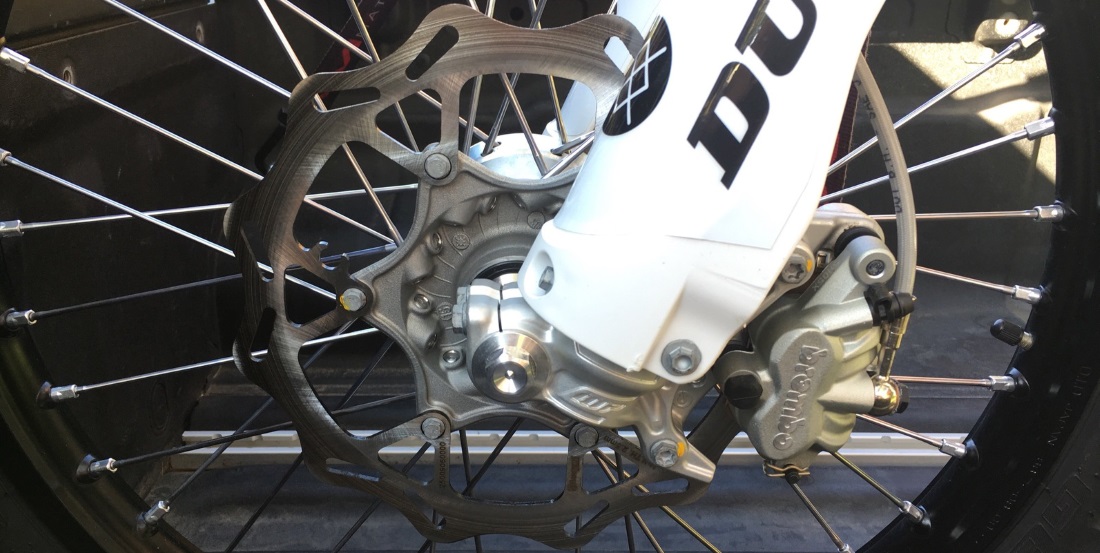
Floating rotors resist warping and shed heat for aggressive off‑road and track use, wavy/patterned rotors reduce weight and improve cooling for motocross-style riding, and fixed or oversized discs give consistent braking and extra leverage for street, cruiser, or heavy-load use. Choose the rotor style based on terrain, riding intensity, and how much heat resistance you need.
How should I pick calipers for sport, adventure, or cruiser platforms and common performance mods?
Single‑piston calipers suit commuters and light trail use, multi‑piston and radial‑mount or monoblock designs deliver stronger, more precise clamping for sport and adventure riding, and axial mounts are common on cruisers and simple trail bikes; upgrading calipers is often paired with braided lines or larger rotors to improve feel. When modifying, check alignment and clearance and expect a firmer lever feel with higher‑performance hardware.
Are braided brake lines worth the upgrade and what maintenance do they require?
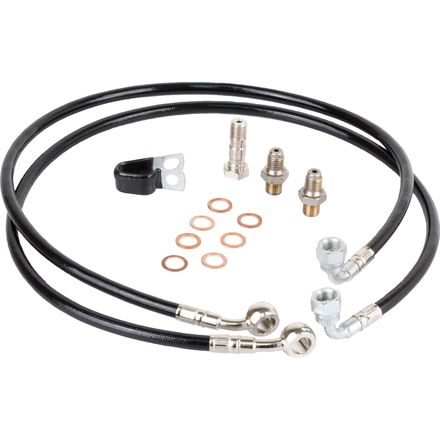
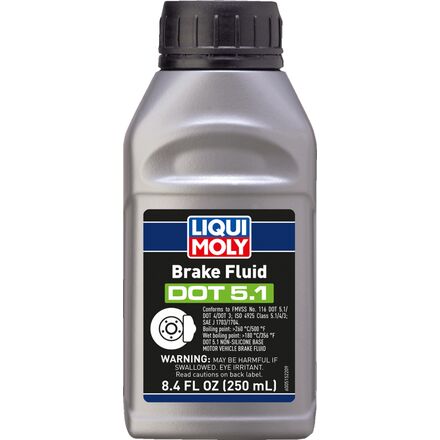
Braided lines increase lever firmness and reduce fade under heavy use, making them a good upgrade for performance, touring, or towing; they require routine inspection for chafing and regular fluid checks and bleeding as part of normal braking maintenance. Expect improved modulation but maintain the system to preserve longevity and safety.
What installation and inspection cues should I follow when swapping brake components or adding upgrades?
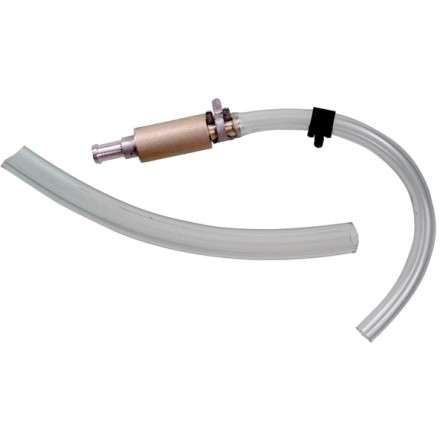
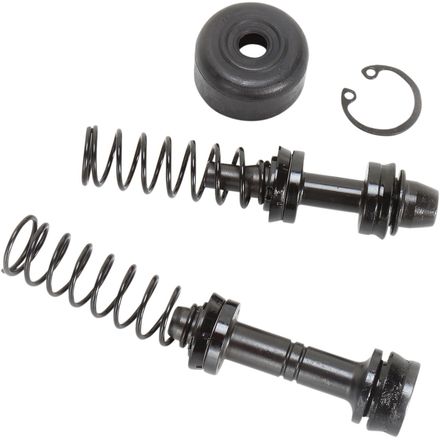
Ensure calipers are aligned, rotors run true with adequate clearance, pads bed in properly, pistons operate freely, and no hardware contacts suspension or the wheel; after installation, bleed the system and recheck clearances after a short ride. Always verify compatibility with your exact make/model/year and follow safe bedding procedures before hard use.