Begin typing to search, when autocomplete results are available use up and down arrows to review and enter to select. Selecting an options will take you to a new page. Touch device users, explore by touch.SEARCH
Search within a riding style, select an optionBegin typing to search, when autocomplete results are available use up and down arrows to review and enter to select. Selecting an options will take you to a new page. Touch device users, explore by touch.
Free shipping on orders over $79 to Illinois
Orders over $79.00 will receive free shipping. This is a residential delivery service, deliveries Monday through Friday from 9:00am to 8:00pm.
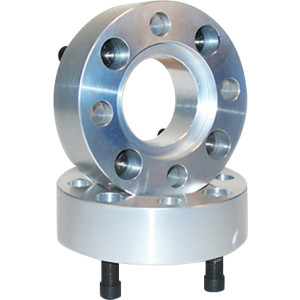
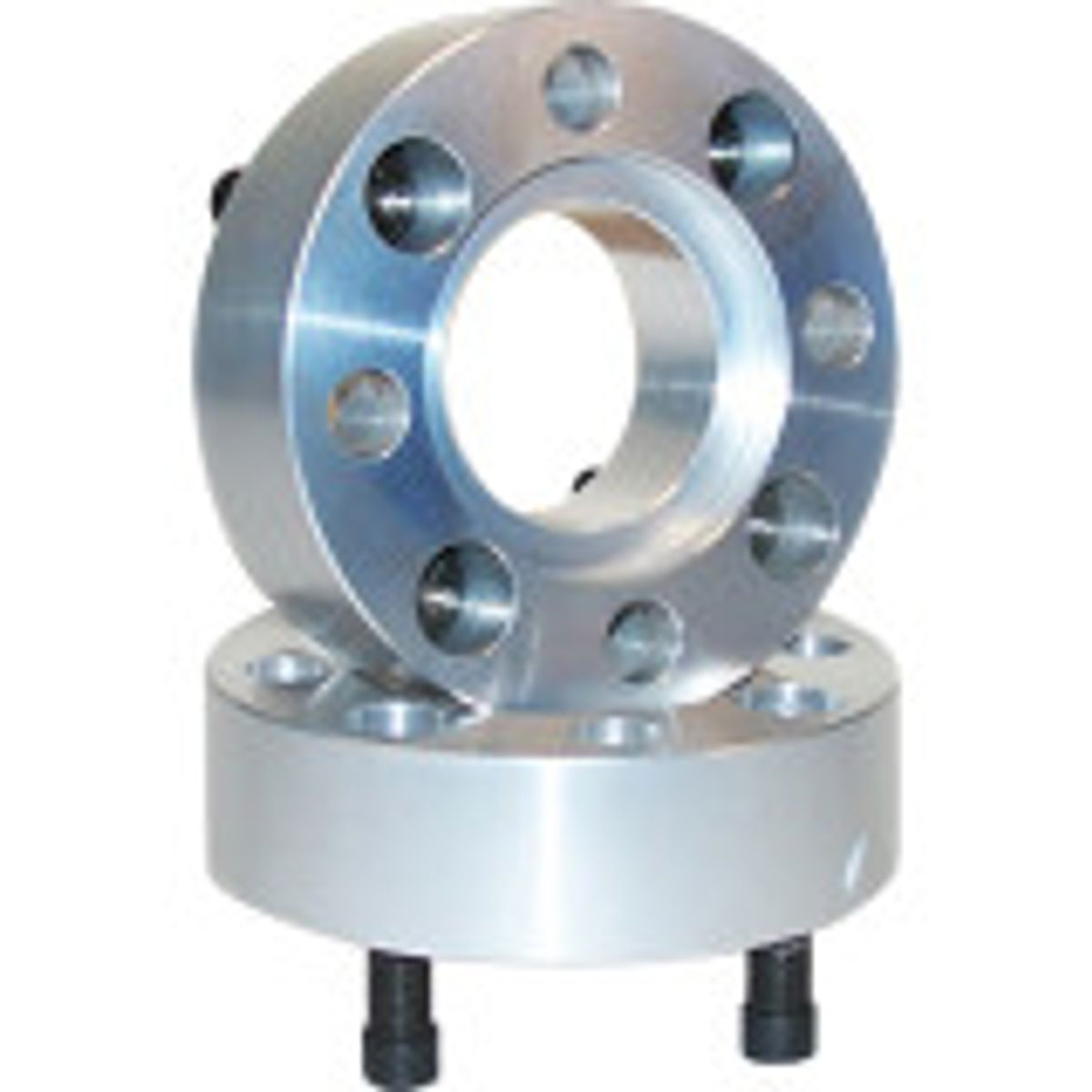
Motorcycle wheel spacers serve multiple functions that contribute to the performance and safety of your ride. These small but critical parts position between the wheel bearings and the axle to help with several aspects including maintaining proper alignment, reducing wear, enhancing stability, accommodating larger tires and lastly aesthetics.
What should I prioritize when choosing motorcycle wheel spacers?
Choose hub-centric spacers with a lipped center to keep the wheel true, and match your hub, axle, bolt pattern, thread size, and seat type. Lightweight aluminum resists corrosion, and extended hardware should be designed for the added thickness.
How does spacer thickness influence handling and clearance?
More thickness widens track width for stability and tire clearance, but also changes suspension geometry and loads. Use the minimum needed and verify brake, fender, and chain clearance through full travel.
Are hub-centric spacers important for street or track riding?
Yes—hub-centric designs reduce vibration at speed and keep the wheel concentric for predictable steering. Flat, non-centered spacers can cause wobble and uneven wear.
Can spacers support wider tires or custom brake/sprocket setups?
Yes—spacers help re-center the wheel after mods and can clear wider rubber or components. If required, adjust the outer caliper mounting face and use shims behind the sprocket rather than dished parts, then confirm rotor and chain alignment.
What are the key installation and maintenance steps?
Measure your setup before purchase, use extended lug bolts or nuts that match thread and seat style, and ensure full hub engagement. After mounting, spin-check for rub, test ride gently, and recheck fasteners and alignment periodically.