Begin typing to search, when autocomplete results are available use up and down arrows to review and enter to select. Selecting an options will take you to a new page. Touch device users, explore by touch.SEARCH
Search within a riding style, select an optionBegin typing to search, when autocomplete results are available use up and down arrows to review and enter to select. Selecting an options will take you to a new page. Touch device users, explore by touch.
Free shipping on orders over $79 to Illinois
Orders over $79.00 will receive free shipping. This is a residential delivery service, deliveries Monday through Friday from 9:00am to 8:00pm.
What key attributes should I prioritize when choosing a dirt bike rack?
Look for compatibility with common Class III/IV receivers, a rated capacity that covers your bike plus gear, durable construction material choice (steel for strength or aluminum for corrosion resistance), mounting style (wheel- or frame-mount), tire-width accommodation, ramp design and storage, and features like folding/tilt-away and anti-rattle/wheel chocks.
How do I match a rack to my vehicle and hitch without risking damage or loss of access?
Confirm your vehicle’s hitch class and tongue-weight allowance exceed the loaded carrier weight, check for interference with spare tires, tailgates, or rear hatches, and opt for folding or tilt-away designs if you need rear access or want to avoid drilling into the frame.
Which rack types and features work best specifically for dirt bikes and trail use?
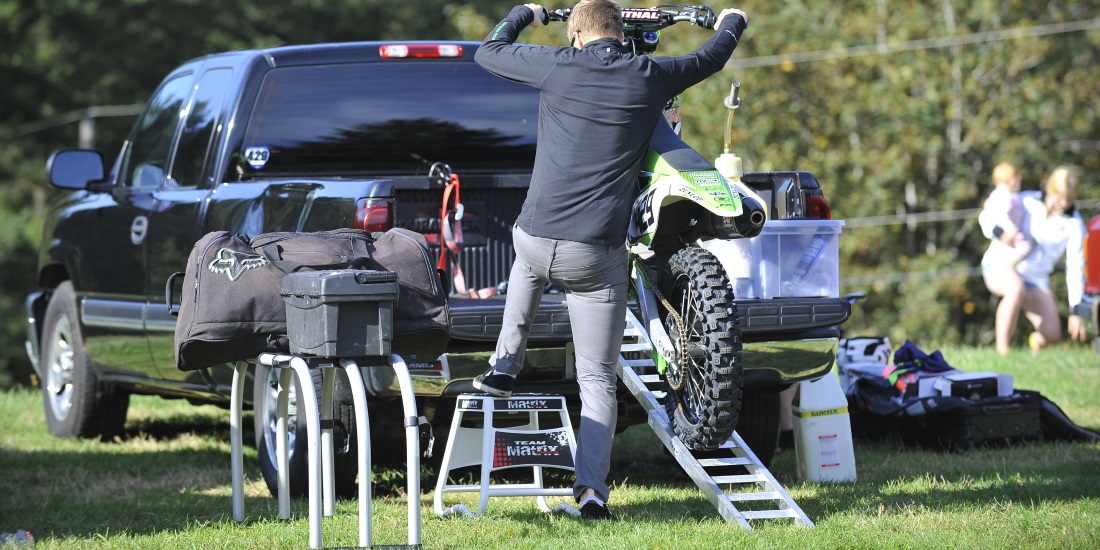
Single-bike wheel-mount carriers with robust wheel chocks and practical ramp designs are ideal for dirt-bike trail use; choose materials and tire-width accommodation based on how often you ride and whether you need quick loading or extra stability on rough roads.
How do materials and finishes affect longevity and upkeep of a bike rack?
Aluminum offers lighter weight and better corrosion resistance for wet climates, while steel provides greater toughness for heavy use but benefits from protective finishes and regular rust-prevention maintenance; look for sealed pivots, quality coatings, and plan routine cleaning and lubrication.
What installation and safety checks should I perform before every trip?
Ensure the rack is seated and secured in the receiver with anti-rattle hardware, verify chocks and tie-down points are properly aligned and tightened, confirm ramps and tilt functions are locked and stowed, and perform a quick clearance and light-connection inspection before heading out.