Maslow’s Hierarchy of Needs placed the need for safety on a high level. For sure, the need for man’s safety and physiological well-being are essential for his existence. Yet, today, newspaper headlines splashed gory accounts of people dying or being injured in motorcycle road accidents.
There are many reasons why people use motorcycles. In 2006, the sales of motorcycles rated 1.1 million. But reports from the National Highway Traffic Safety Administration (NHTSA) stated that the rate of motorcycle accident is going up in the USA today. Knowledge of the Motorcycle Safety Resource Guide may have prevented most motorcycle road mishaps.
Fatalities from motorcycle accidents have been on the rise for the past years. Based on the NHTSA report, there were 5,290 motorcycle drivers who died in 2008 increasing the 2007 rate by 2%. Around 96,000 suffered severe injuries. There were 4,810 motor riders who died in 2006, more than 5% higher than the previous year. The rate of fatalities in 2000 was 2,897 which increased by 78% to 5,154 in 2007.
World wide, motor vehicle mishaps continue to be the main causes of death and disability. In 1998, 1, 170,694 deaths were the result from direct injury in a motor vehicle accident.
Motorcycle Safety Resource Guide includes the following:
1. Awareness of the importance of proper training. Training is the best way to minimize these threats. There are many organizations throughout the U.S. offering United States Motorcycle Safety Education. These groups ranked from state agencies to non-profit orgαnisαtions to corporations. Designed by the Motorcycle Safety Foundation (MSF), the courses covered Basic Rider Course, an Intermediate Rider Course and an Advanced Rider Course.
Riders with little or no experience must take the beginning courses. Lessons are based on extensive data, research, and field tests which are combined with on-bike experiences
2. Awareness of the proper equipment will insure safe and enjoyable motorcycle rides. You need this essential and proper equipment.
(1) Helmet: By law, you must wear a safety helmet when riding a motorcycle on the road must fit properly and adhere to the DOT standards – be full face, ¾ or ½ in design. Defective helmets, as those with no lining or defective thin straps are disallowed.
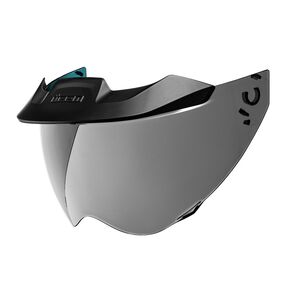
(2) Visors and goggles: You need this important eye-protection from wind, rain, insects and road dirt.
(3) Protective clothing: For motorcycle riders, clothing is made from man-made material or leather. Choose clothing that gives additional protection for the shoulders, elbows and knees. The legs of your pants should cover the top of your shoe, preferable made from denim or leather. If you wear long-shirt sleeve in lieu of a jacket, it must be made of durable materials and cover the shoulders.
(4) Gloves and gauntlets: These are important in a motorcycle ride. Always wear gloves as it is a protection if you fall off. Full-fingered leather gloves are good choices.
(5) Motorcycle boots Boots are perfect protection for riding a motorcycle. Sandals offer little protection. Shoes material must be made of leather covering the ankle bone. You may also wear high top athletics shoes that meet the standards.
3. Awareness of drivers on the road or SMIDSY is one of the most common causes of accidents on the road. It is an acronym of a driver’s common response which means: Sorry mate, I didn’t see you. Most road accidents are due to the drives that are not able to see an oncoming motorcycle or insufficient time to avoid the mishap.
Most often drivers fail to see an approaching motorcyclist for the following reasons:
(1) The tendency of drivers to watch for oncoming cars not motorcycle.
(2)The size of a motorcycle is much smaller than that of larger vehicles. It makes estimating the distance between them difficult.
(3)Motorcyclists performed frequent land movements due to changing road conditions
4. Awareness of unsafe roads/weather conditions can be major causes of motorcycle accidents. There are dangerous road conditions and road obstructions. Many mishaps occur due to potholes, fallen tree limbs, rocks & gravel, small animals, standing water or railroad tracks may be minor problems. It is wise for motorcyclist to decrease speed or change lanes to avoid these obstacles. The weather condition is a touchy factor for wet or icy roads may impair motorcyclists' braking and handling abilities. Strong gusty winds can lift a motorcycle if the rider isn't prepared for it.
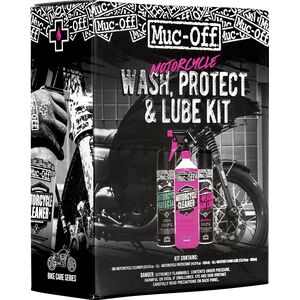
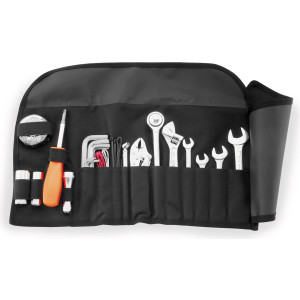
5. Awareness that your equipment is well-maintained so it will be given the highest pleasure from your motorcycle. A certain amount of maintenance helps to keep it running in tip top condition and plays a big role in the longevity of your ride.
Basic tips:
(1) Checking your fuses and bolts.
(2) Keeping up with oil changes on a schedule.
(3) Cleaning or changing your air filter about once a month.
(4) Checking your battery terminal and wires.
(5) Making sure all of your cables are well lubricated to ensure a smoother drive.
(6) Checking your tire pressure and add air as needed.
You might think your motorcycle does not yet need servicing but it will save money on repairs to check if your bike is in good running condition.
6. Awareness of laws affecting motorcycles which are applicable to those who are granted license to drive a motorcycle. In the United States, there are motorcycle laws but basically laws differ from state to state.
The motorcycle helmet laws require all riders to wear a helmet however only 27 states agreed to legislate this law. The rest do not have this requirement.
You will experience joy and excitement in every motorcycle ride. It is the kind of freedom you do not enjoy riding on other types of vehicle. But full enjoyment is incomplete, you may not see the end of that journey. There are dangers along the way. Make use of a Motor Safety Resource Guide, so you will you reach your destination safely.